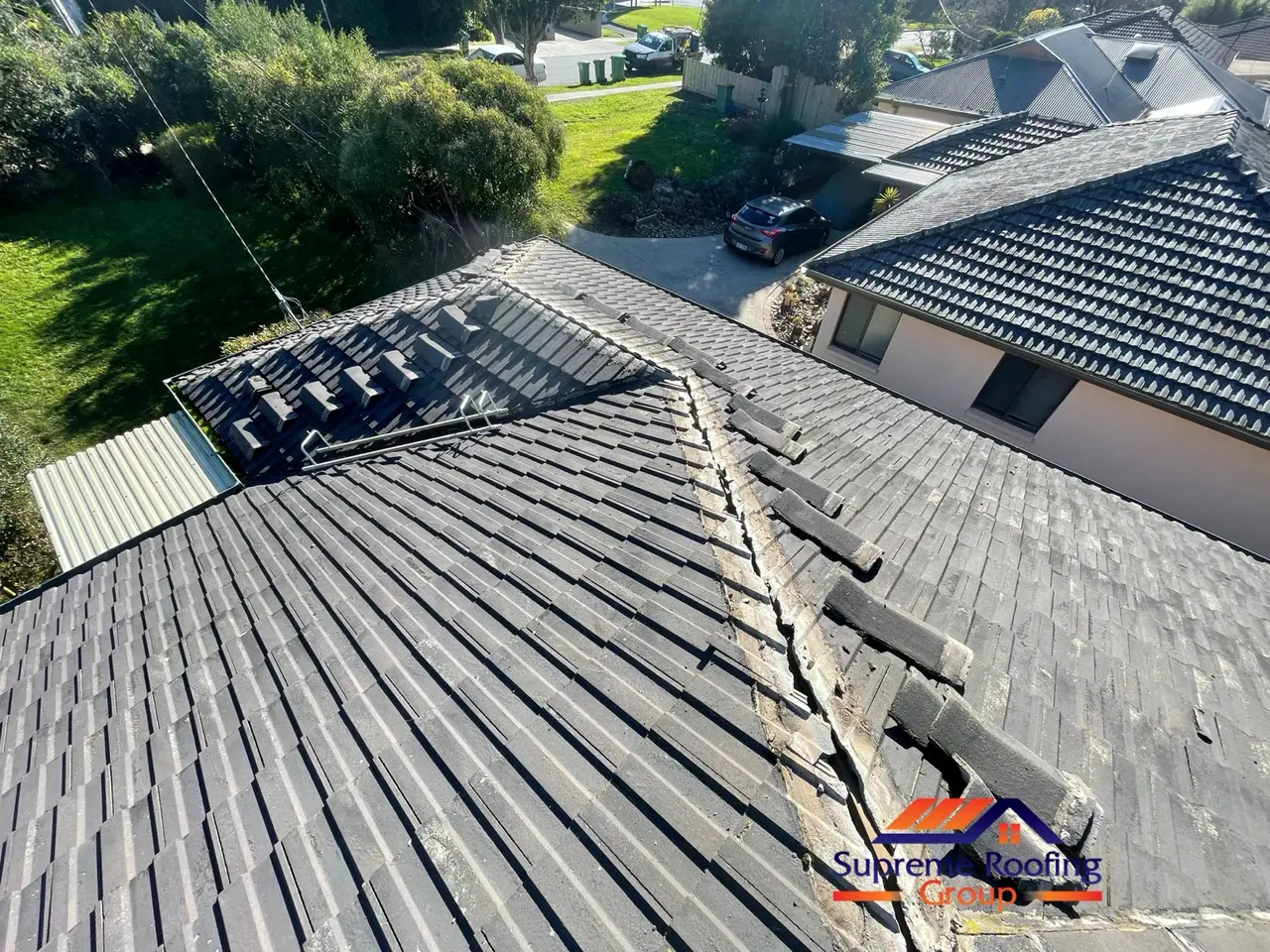
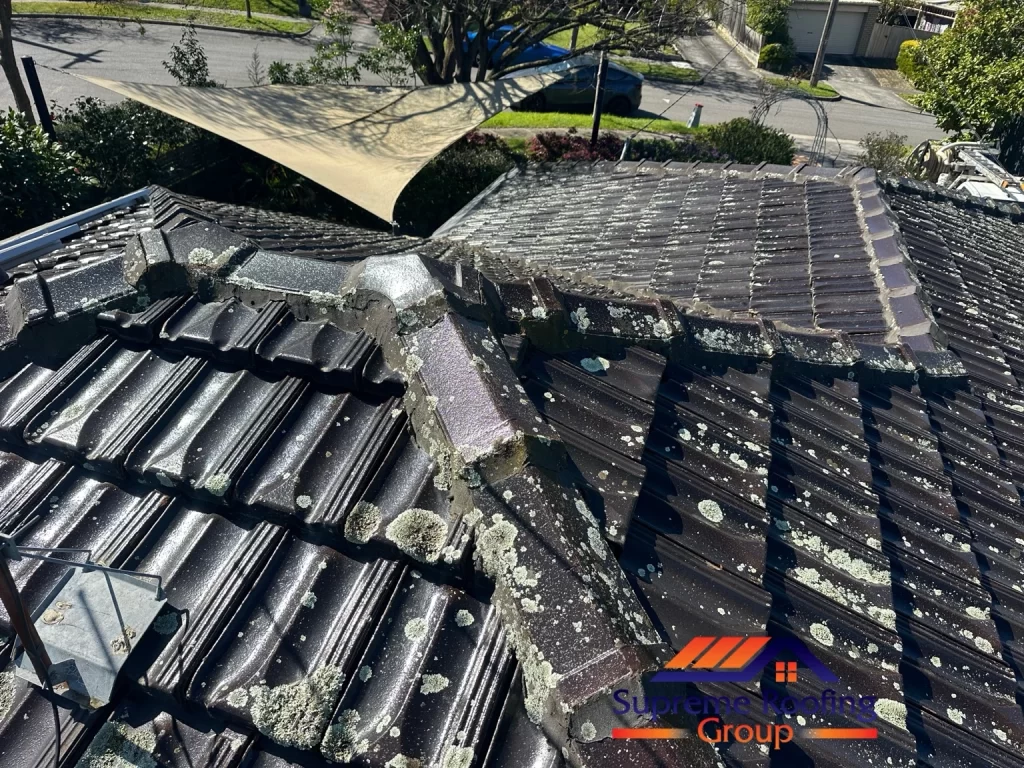
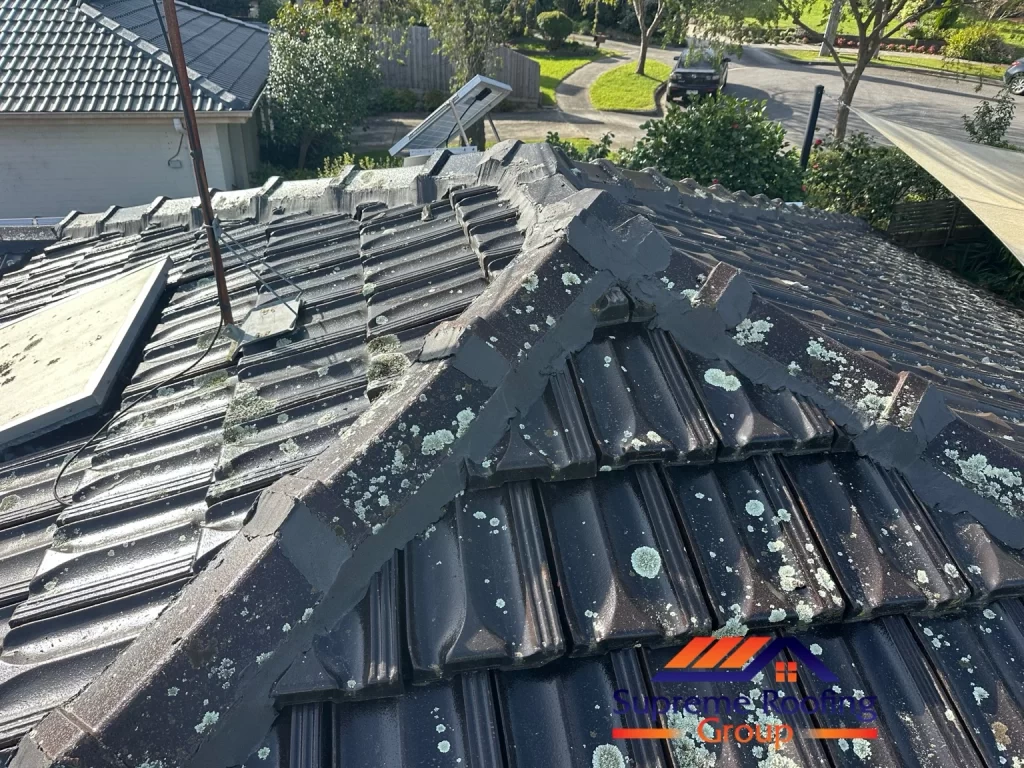
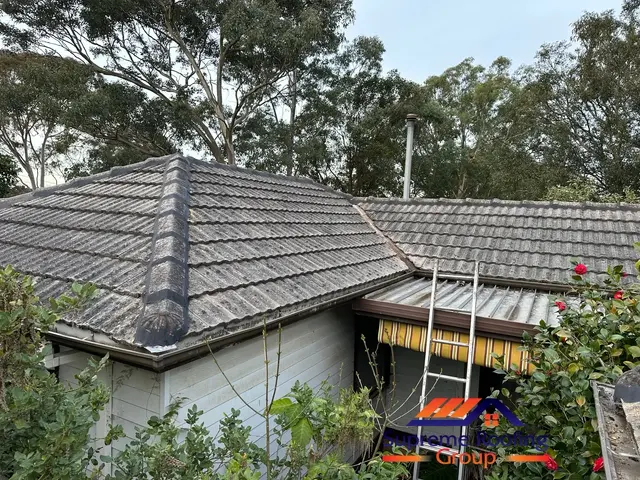
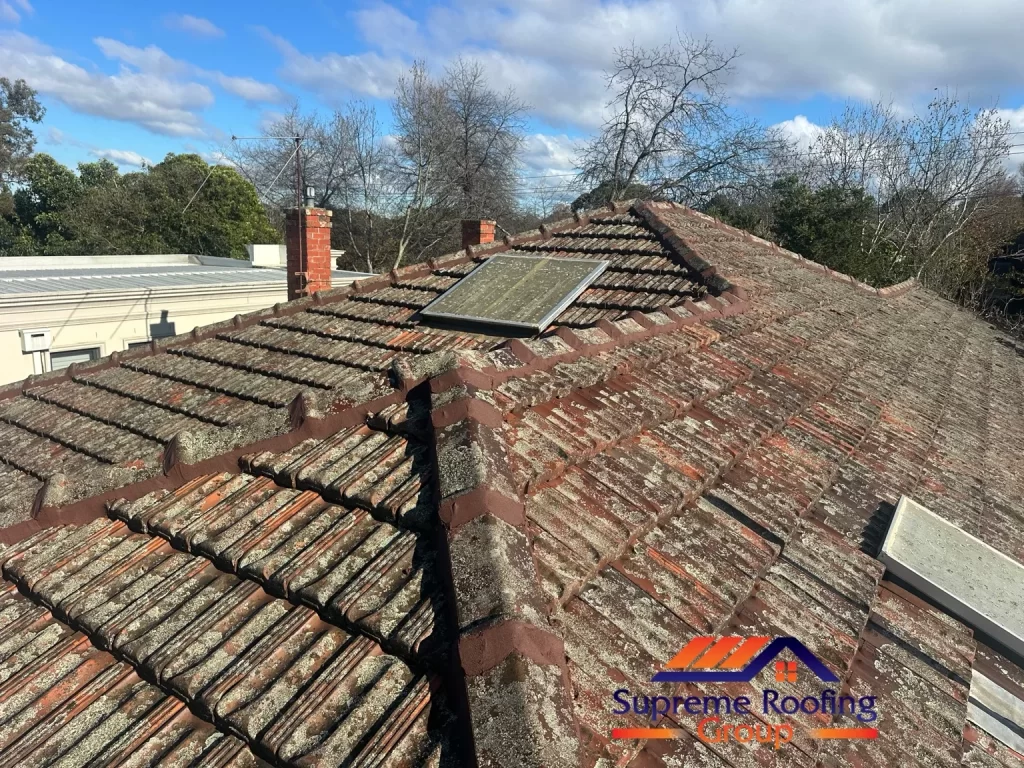
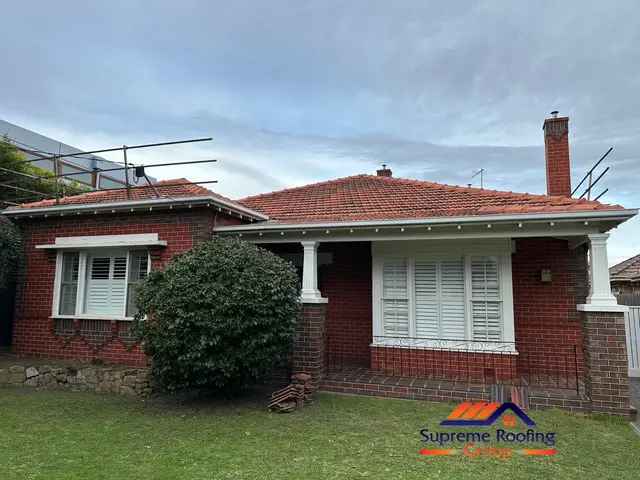
Our Melbourne roof tilers replace broken concrete and terracotta tiles and repair loose or cracked ridge capping. We check the mortar underneath before recommending rebedding, repointing or a local tile repair.
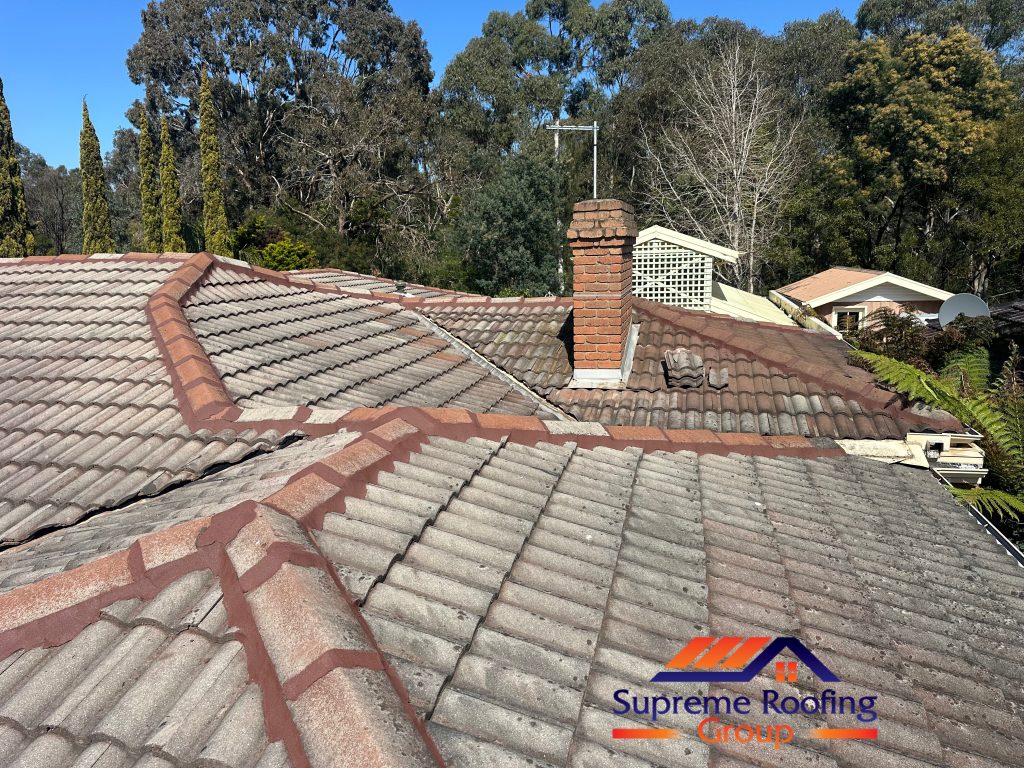
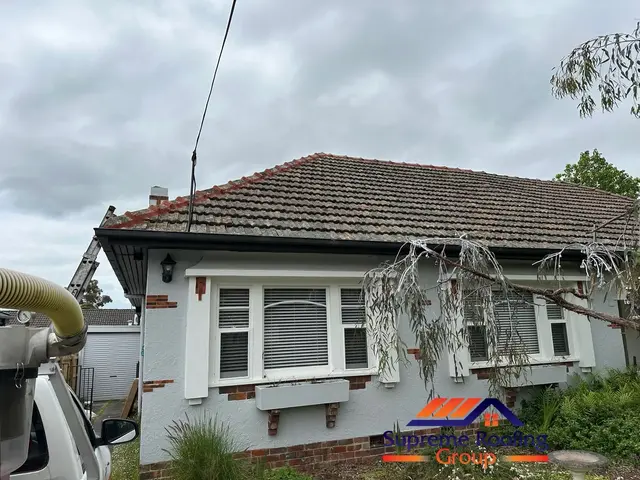
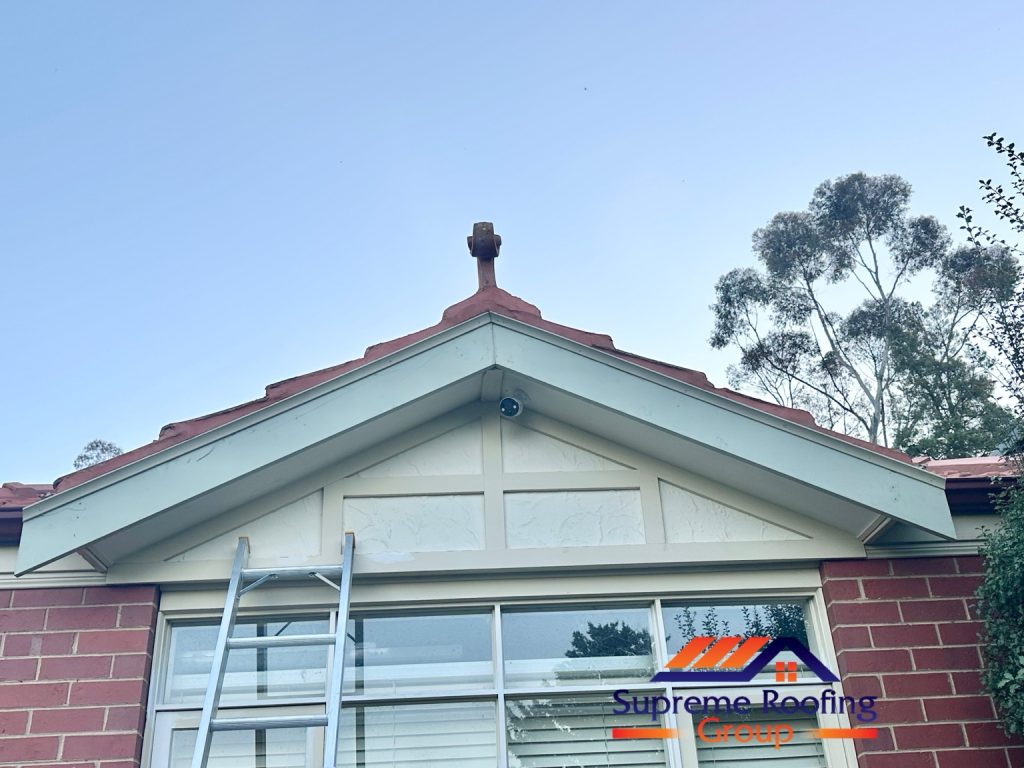
We rebedded and repointed the terracotta-roof gables after fascia and scotia replacement. The pointing checked from our restoration eight years earlier was still firm, so this visit focused on the gables. The project photographs show the preparation and terracotta-coloured finish.
A clear scope
Tile and ridge repairs we provide
Your written quote confirms the work, materials, price, exclusions and applicable warranty before we start.
Not always. A local repair may be enough where the remaining ridge work is sound. Widespread deterioration can justify repointing more of the ridges and hips. We identify the affected areas in your quote.
What affects the repair price?+
The number and availability of replacement tiles, length of ridge work, condition of the bedding, roof pitch and access affect the price. Rebedding and repointing are itemised so you can understand the work and applicable warranty.
Can old roof tiles be matched?+
Often, but it depends on the tile profile, colour and availability. The inspection helps identify a suitable replacement. An exact colour match may not be possible because existing tiles weather over time. We explain practical matching limits before the work is agreed.
What is the difference between rebedding and repointing?+
Bedding is the mortar base that supports ridge caps. Pointing is the flexible outer layer that seals and finishes the ridge edges. Rebedding is only needed where the base has failed.
What should a repointing quote specify?+
Look for the ridge and hip sections included, any gable work, areas needing rebedding, tile replacement, preparation and applicable warranty terms. Sound bedding and failed bedding need different treatment. Repointing alone does not repair damaged valley metal, faulty flashing or every cause of a roof leak.
Do cracked ridge lines cause leaks?+
They can contribute to water entry and loose ridge caps, but the full roof area should be checked because leaks can have more than one possible path.