
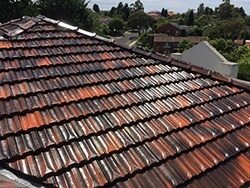
Why terracotta is different
Terracotta is fired clay and often carries colour through the tile. Glazed or vitrified surfaces do not behave like weathered cement tiles and may not accept a conventional colour-coating system.
- Confirm whether the surface is glazed
- Check porosity and earlier treatments
- Assess brittle or damaged tiles
When a clear treatment may be considered
Porous, unglazed or unvitrified terracotta may be suitable for a compatible clear protective treatment following inspection, cleaning and preparation. The proposed product and intended surface should be named in writing.
- Material-specific product
- Prepared and dry surface
- Manufacturer conditions followed
Repairs still come first
Cleaning or treatment does not replace broken tiles, failed ridge work, leaking valleys or defective flashing. Those items need their own diagnosis and written scope.
- Replace damaged tiles where possible
- Repair failed bedding and pointing
- Address valleys and flashing separately
Questions to ask before agreeing
Ask how the tile type was identified, why the product is suitable, what appearance to expect and which warranty applies. Be cautious with a quote that describes every tiled roof in the same way.
- What exact product is proposed?
- Is the tile glazed or unglazed?
- What are the finish limitations?
See this on a Melbourne roof
These completed projects show how the work changes with the roof material and the faults found.
- Kew natural terracotta restoration
Cleaning, broken-tile replacement and ridge repointing restored the roof while retaining the natural terracotta finish.
- Blackburn cement tiles painted Terracotta
This cement tile roof was cleaned, prepared and repointed before receiving a Terracotta colour coating.