
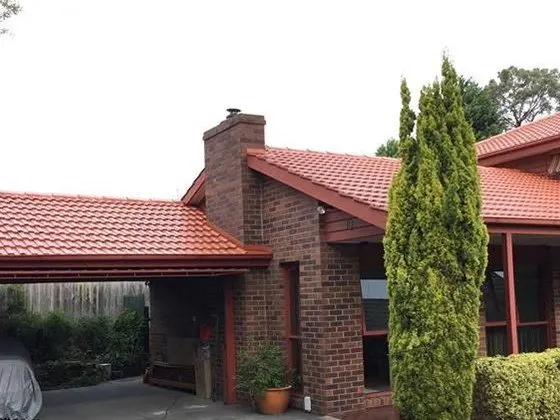
Roof size, pitch and access
Measured roof area, multiple levels, steep pitches, complex shapes and limited access can change labour and safety requirements.
- Measured roof area
- Pitch and roof levels
- Safe property access
Repairs underneath the finish
Tile replacement, ridge work, valleys and flashings materially change the scope and should be recorded where relevant.
- Replacement tile allowance
- Bedding and pointing work
- Valley or flashing repairs
Preparation and product system
Cleaning quality, previous coatings, compatible primer and specified colour coats influence time, materials and durability.
- Pressure-cleaning scope
- Surface suitability
- Primer and top-coat specification
Compare quotations properly
Ask each roofer to describe the same roof areas and repairs so you can compare the work behind the price.
- Roof coverage: Which roof sections and measured area does the quote cover?
- Tiles and ridge caps: What tile allowance is included, and which sections need rebedding or repointing?
- Valleys and flashings: Are repairs included, excluded or priced separately?
- Preparation and finish: Which cleaning, preparation and coating stages are specified for this roof material?
- Access and clean-up: What access equipment, property protection and disposal are included?
- Final amount: Does the total include GST, and how will additional work be approved?
- Warranty: What written product and workmanship terms apply to the quoted work?
A lower total may cover fewer repairs or different preparation. Ask for unclear inclusions to be written down before accepting a quote.
See this on a Melbourne roof
These completed projects show how the work changes with the roof material and the faults found.
- Templestowe roof restoration
This high-pitched roof required access planning, cleaning, tile repairs, repointing and a charcoal colour coating.
- Kew natural terracotta restoration
Cleaning, broken-tile replacement and ridge repointing restored the roof while retaining the natural terracotta finish.